

Updated for UAE readers in November 2025 this guide helps Dubai businesses choose durable labels. As a Barcode Ribbons Supplier in UAE, we see how heat, humidity and handling shape every printing decision. Our aim is to simplify ribbon choices and keep downtime low.
TL;DR / Key Takeaways
- Thermal transfer ribbons use heat to transfer ink from a ribbon onto labels, producing durable prints ideal for harsh UAE environments.
- The main ribbon styles are wax, resin, and wax-resin each offers different durability, print quality, and substrate compatibility.
- In Dubai/UAE, pick ribbons and printers built to withstand heat, humidity and heavy handling; local suppliers shorten lead times and support.
- Direct thermal vs thermal transfer: direct thermal is fast but less durable; thermal transfer yields long-lasting labels for inventory, logistics, healthcare, and compliance.
- A UAE-based supplier like Label Tech UAE provides a one-stop solution of ribbons, printer guidance, customization and rapid delivery.
Thermal transfer ribbons are thin coated polyester films that transfer ink to labels when heated by a printer, creating durable barcodes, text and graphics suitable for challenging environments.
What is a thermal transfer ribbon? (Definition block)
A thermal transfer ribbon is a coated film that releases ink under heat from a label printer.
Core components: ribbon substrate, coating type, and compatibility with the printer head and label stock. The coating can be wax, resin or wax resin, chosen to match the substrate and duty cycle. Why it matters: It resists smudges, moisture, abrasion, and sun, which is essential for UAE logistics, retail, healthcare and manufacturing.
Hint: resin is best for harsh environments; wax-resin balances cost with durability.
How thermal transfer ribbons work in label printers (step-by-step)
- Ribbon alignment and loading: The ribbon winds around a take up reel and feeds between the ribbon and label stock.
- Heat transfer: The thermal printhead applies precise heat to the image area of the ribbon.
- Ink transfer: The ink melts and bonds to the label material, forming text, barcodes or graphics.
- Ribbon rewind: Spent ribbon winds onto the take up spool keep it clean to avoid head buildup.
- Finish and cure: Labels cool and ink cures to resist smudges.
Quick tip: Use clean, compatible ribbons with your printer brand (e.g., Zebra, Brother) for best results. Zebra printers offer common heads and media paths to check compatibility before buying.
Ribbon types at a glance: Wax vs. Resin vs. Wax-Resin
| Ribbon Type | Best For | Pros | Cons |
| Wax | Paper labels, short-term use | Low cost; good for light-duty labels | Lower durability; not ideal for chemicals or outdoor exposure |
| Resin | Plastic labels; harsh environments | Superior durability; chemical resistance | Higher cost; can wear printheads if misused |
| Wax-Resin | Mixed substrates | Better durability than wax; cheaper than resin | Not as rugged as full resin |
Practical note for UAE buyers choose based on label substrate (paper vs synthetic) environment (heat, humidity) and expected lifespan. Local UAE distributors provide testing and compatibility guidance to reduce downtime.

How to choose the right ribbon for your printer and label
- Identify your printer family (e.g., Zebra, Brother) and confirm compatible ribbon types.
- Match coating to substrate: paper usually uses wax or wax-resin synthetic labels prefer resin or wax resin.
- Consider exposure short term inventory in climate-controlled spaces may be wax outdoors or high heat calls for resin.
- Assess print quality needs: simple text uses wax; fine barcodes and long life require resin or wax resin.
- In the UAE choose a local supplier with testing, compatibility guidance and after-sales support. Label Tech UAE helps shorten lead times and gives hands on assistance.
Common applications by industry in the UAE
- Retail and warehousing durable inventory and shelf labels.
- Healthcare patient bands, specimen labels with chemical resistance.
- Manufacturing and logistics asset tagging, shipping labels in hot/humid environments.
- Government and utilities outdoor asset labeling and facility labeling.
Direct thermal vs thermal transfer: what to consider
- Direct thermal uses heat sensitive labels; no ribbon is needed.
- Pros: simple and low maintenance. Cons: less durable under heat and sun.
- Thermal transfer uses ribbons for long lasting labels.
- Pros: durable, chemical resistant; Cons: higher cost per label and more maintenance.
UAE takeaway: for most durable labeling in heat and humidity, thermal transfer wins. This aligns with Dubai warehousing, shipping and healthcare needs.
Printhead and maintenance basics
The printhead, ribbon and label stock must align for quality. Regular cleaning helps avoid ink buildup and print defects. Use the right ribbon width and avoid over tightening reels. Check the platen and ribbon path after long runs to prevent jams.
Troubleshooting quick start guide (A-Z)
- Smearing or blur: check ribbon type, print speed and temperature verify alignment.
- Fading: switch to a higher durability resin and inspect head wear.
- Printhead wear: clean the printhead and replace if prints degrade.
- Ribbon feeding issues: reseat ribbons check for obstructions.
- Label not feeding: align media; adjust platen gap verify stock.
Real-life example / Use case (Dubai-based company)
A UAE retailer faced sunlit shelves and humid storage. They switched to resin ribbons with synthetic labels for product IDs and shelf tags. The result was clearer readability, fewer reprints, and tighter inventory control.
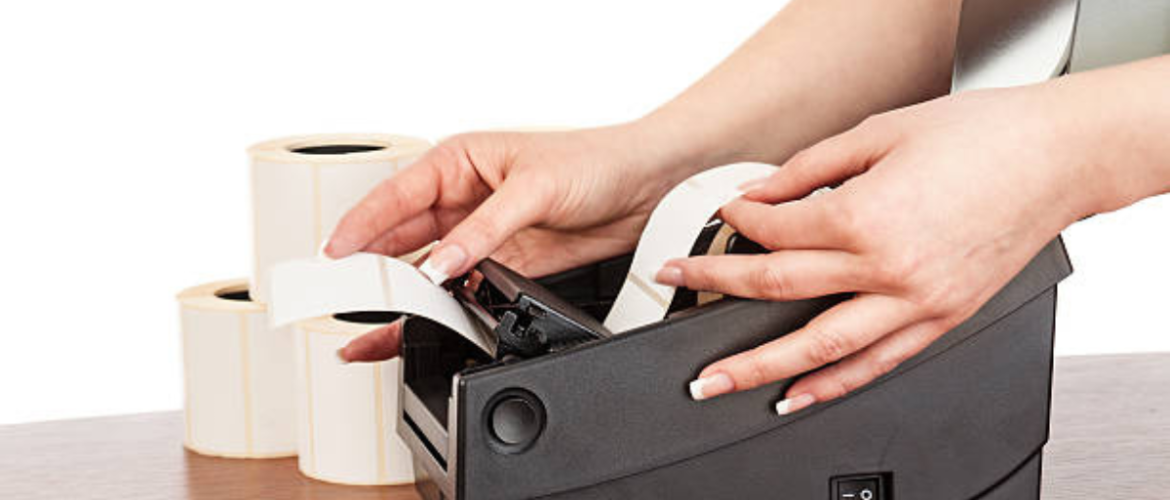
How to load and replace a thermal transfer ribbon?
- Power down and open the printer to remove the old spool.
- Check the path for debris and rotate spools to ensure smooth feeding.
- Load the new ribbon onto the supply spool, threading through the printhead and around the take up reel.
- Advance the ribbon to sit flat and taut close the printer.
- Run a test label to verify alignment and print quality.
Pro tip: Keep spare ribbons on hand to minimize downtime. For printer compatibility, consult a local UAE expert like Label Tech UAE.
Supplier landscape and UAE-specific guidance
Look for a UAE barcode ribbons supplier with Dubai/UAE coverage, a wide range of wax, wax-resin, and resin ribbons and strong technical support. Local presence means faster delivery, easier returns and on site help if needed. Label Tech UAE is a strong example with a broad portfolio and customization options.
Quick-start checklist for UAE-based buyers
- Define the label substrate and environment (heat, humidity, exposure).
- Identify printers in use and compatible ribbon types.
- Choose wax, resin or wax resin based on durability needs.
- Source from a UAE based supplier with reliable lead times and after sales support.
- Plan for maintenance printhead cleaning and stock monitoring.
Closing note
Durable labels are essential in the UAE climate. By choosing the right ribbon type and working with a supportive UAE supplier you can reduce downtime and keep data readable in heat and humidity. For many Dubai operations, resin ribbons paired with synthetic label stock deliver the most reliable results.
FAQ
What is a thermal transfer ribbon?
A coated film that transfers ink to labels under printer heat to create durable marks.
Wax, resin or wax resin which should I choose?
Wax for cost effective labels resin for harsh environments wax resin for a balance.
Do I need a ribbon for thermal transfer printing?
Yes, to achieve long lasting labels direct thermal does not use a ribbon.
Can I use resin ribbons on any label stock?
Not always ensure substrate compatibility with the ribbon.
Where can I buy barcode ribbons in Dubai/UAE?
Look for a local UAE based supplier with testing, support and quick delivery. Label Tech UAE is a strong example.
